Musk’s Space Data Center vs. Jensen Huang’s Realism – Will the Cloud Computing Landscape Change in 5 Years?
 Editor
Elon Musk and Jensen Huang, two titans of the tech industry, have clashed head-on over space data centers. Musk confidently predicts that space data centers will become the most affordable computing solution within five years, while NVIDIA CEO Jensen Huang offers a more realistic perspective, calling it “still a dream.” Delving into the core of this debate reveals that it is not just about technological feasibility but also about the future landscape of the global cloud computing market.
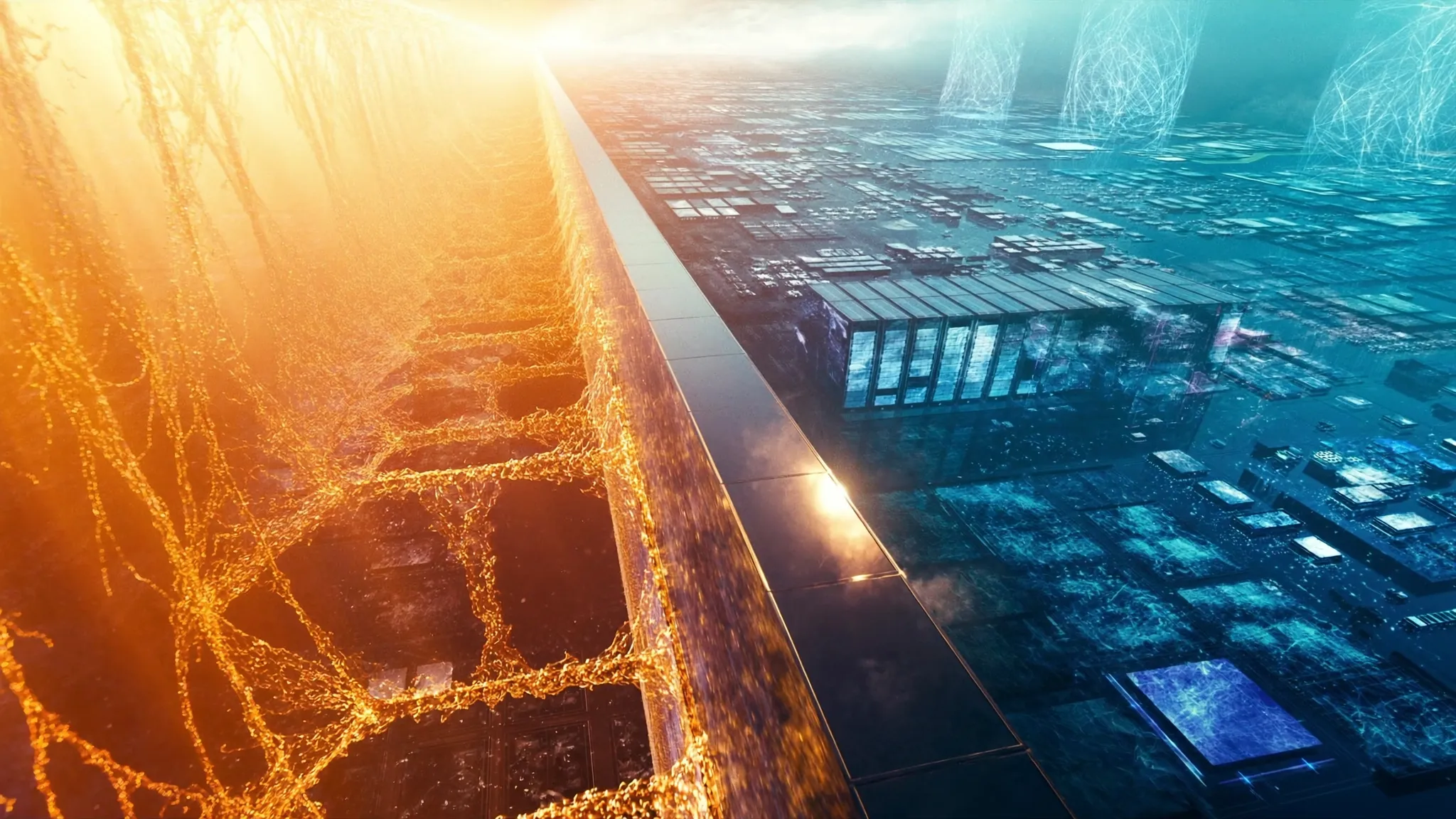
Currently, the global cloud computing market is projected to reach approximately $680 billion by 2025, with an annual growth rate of 15.7%. In this vast market, Amazon Web Services holds the top position with a 32% market share, followed by Microsoft Azure at 23% and Google Cloud at 11%. If Musk’s proposed space data centers become a reality, it could completely overturn this existing order, which is an intriguing prospect.
The concept of space data centers is not entirely new. NASA and the European Space Agency (ESA) have been conducting orbital computing experiments since 2020, and Hewlett Packard Enterprise (HPE) has verified actual data processing performance through the Spaceborne Computer-2 project on the International Space Station. The experiment showed approximately 30% higher processing efficiency compared to Earth, primarily because the extreme cold and vacuum conditions in space drastically reduce cooling costs.
The economic logic supporting Musk’s claim is also quite compelling. Considering that cooling costs account for 40-50% of the operating expenses of terrestrial data centers, in space, these costs are nearly negligible. Additionally, SpaceX’s Starship launch costs are expected to drop to around $2 million per ton, which is over 90% cheaper than traditional rockets. In fact, SpaceX achieved significant cost reductions by successfully launching a total of 96 times in 2024 alone.
Realistic Barriers and Technical Challenges
However, Jensen Huang’s skepticism is well-founded. The durability of hardware in space is a major obstacle, with research indicating that equipment damage rates due to space radiation and micrometeorite collisions are 10-15 times higher than on Earth. For instance, NVIDIA’s space-grade GPU, the Jetson AGX Orin, despite employing radiation shielding technology, has an average lifespan 3-5 years shorter than its terrestrial counterpart.
Latency issues also pose a significant challenge. The communication delay between low-orbit satellites and Earth averages 25-35ms, which could be a critical drawback for fields requiring real-time processing, such as financial transactions or autonomous driving. Compared to Amazon’s AWS, which maintains a global average latency of under 10ms, space data centers currently lack competitiveness.
From a cost perspective, the initial investment is substantial. Industry experts estimate that building a space data center with a processing capacity of 1TB would cost around $5 billion, which is ten times the cost of a terrestrial data center of the same capacity (approximately $500 million). While long-term operational cost savings could offset this, the payback period is expected to be 15-20 years, posing a significant burden for private companies.
Interestingly, China and Russia are already making considerable investments in the space computing sector. China has allocated $1.2 billion to a space data center project in 2024, aiming for trial operations by 2027. Russia, through Roscosmos, is also developing space-based AI computing platforms, suggesting that the U.S. could fall behind in the technological supremacy race if it starts too late.
Market Outlook and Investment Opportunities
The current total size of the space economy is approximately $469 billion, with data and computing services accounting for less than 3%. However, Goldman Sachs projects that the space computing market will grow at an annual rate of 45%, expanding to around $24 billion by 2030. As demand for high-power computing, such as AI training and cryptocurrency mining, surges, the advantages of the space environment, with minimal cooling costs, are expected to become more pronounced.
From an investment perspective, Tesla’s stock price rose by 2.3% in the short term following the space data center announcement, but actual commercialization is expected to take considerable time. More noteworthy are companies related to space infrastructure, such as satellite manufacturer Maxar Technologies and communications equipment provider Viasat, which are likely to benefit significantly.
NVIDIA, with its dominant position in the space-grade GPU market, is expected to be the biggest beneficiary if space data centers become a reality. In fact, NVIDIA’s aerospace division revenue in Q4 2024 increased by 78% year-on-year to $1.2 billion, accounting for about 15% of total revenue. Although Jensen Huang publicly expresses skepticism, it is known that NVIDIA is investing heavily in related technology development internally.
Personally, I find Musk’s five-year realization projection somewhat optimistic. While technically feasible, regulatory approvals and safety validations alone could take at least 3-4 years. The approval processes of the U.S. Federal Communications Commission (FCC) and the Federal Aviation Administration (FAA) are stringent, and safety issues such as space debris and orbital collision risks must be thoroughly examined.
However, in the long term, space data centers are likely to become a reality. Considering the increasing cooling costs due to global warming, power supply limitations, and the rapidly growing demand for AI computing, the need for a new computing environment like space is becoming more pressing. Especially in countries like Korea, where securing data center sites is challenging, space-based solutions could be a viable alternative.
Ultimately, the debate between Musk and Jensen Huang illustrates the gap between technological possibilities and commercial realities. Finding a balance between innovative ideas and practical constraints is crucial, and it may take 7-10 years rather than five to achieve true commercial success. Until then, improvements in the efficiency of terrestrial data centers and the gradual advancement of space technology are likely to progress simultaneously, with both approaches potentially developing into complementary relationships.
This article was written after reading the Musk “Space Data Centers Will Be the Cheapest in 5 Years”…Jensen Huang “Still a Dream” article, adding personal opinions and analysis.
Disclaimer: This blog is not a news outlet, and the content reflects the author’s personal views. The responsibility for investment decisions lies with the investor, and no liability is assumed for any investment losses based on the content of this article.
