A New Turning Point in South Korea’s Energy Transition: Balancing Nuclear and Renewable Energy
 Editor
As of November 2025, South Korea’s energy industry stands at the center of unprecedented change. The government has officially announced the resumption of construction for Shin Hanul Units 3 and 4, while simultaneously accelerating large-scale investments and technological innovations in the renewable energy sector. This is not merely a policy shift but a significant signal of South Korea’s unique strategic approach in the era of global energy transition. According to a recent announcement by Korea Electric Power Corporation, as of 2024, nuclear power accounts for 31.8% and renewable energy for 9.4% of South Korea’s power mix. The country aims to expand the share of renewable energy to 20% by 2030 while reevaluating the role of nuclear power.
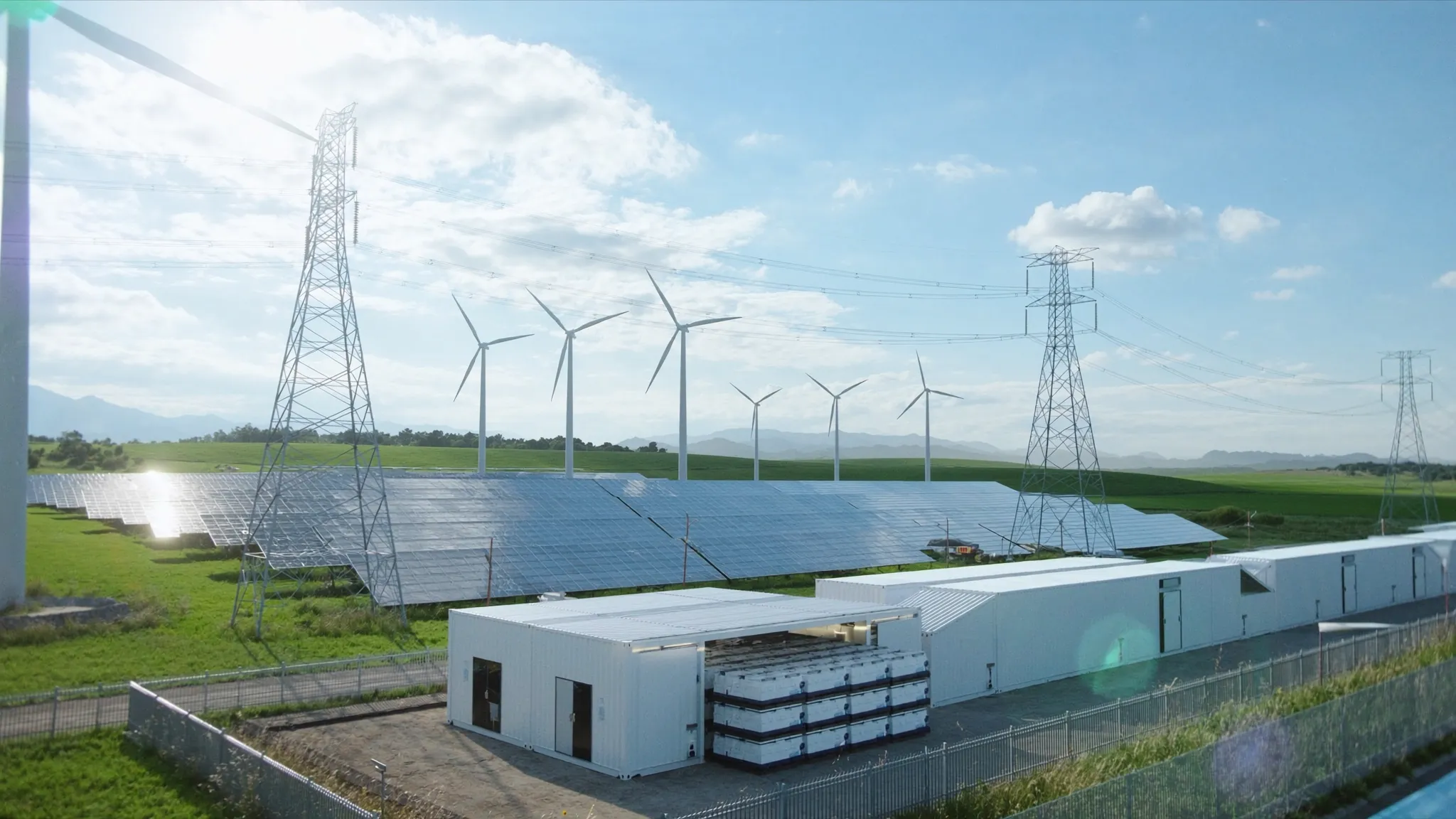
This dual strategy in energy policy reflects the complex trends of the global energy market. According to the International Energy Agency’s (IEA) 2025 World Energy Outlook report, electricity demand in the Asia-Pacific region is expected to increase by 4.2% compared to 2024, significantly higher than the global average of 2.8%. In particular, South Korea anticipates a surge in electricity demand due to the proliferation of semiconductors and AI data centers, making the securing of stable and large-scale baseload power sources crucial. As major South Korean semiconductor companies like Samsung Electronics and SK Hynix expand additional production facilities in Pyeongtaek, Yongin, and Icheon, electricity demand in these areas is projected to increase by more than 25% compared to 2024.
South Korea’s position in the nuclear sector is particularly noteworthy. According to data from Korea Hydro & Nuclear Power (KHNP), the 25 currently operating nuclear reactors generate approximately 180 TWh of electricity annually, accounting for about 30% of total power generation. Once Shin Hanul Units 3 and 4 are completed, they will each provide an additional 1,400 MW capacity, supplying approximately 22 TWh of electricity annually, significantly contributing to South Korea’s energy self-sufficiency. More importantly, the APR1400 reactor technology developed by South Korea is highly regarded in the international market. The successful operation of the Barakah nuclear power plant project in the United Arab Emirates has proven South Korea’s nuclear technology prowess, paving the way for entry into European markets such as the Czech Republic and Poland.
Meanwhile, South Korean companies are also making remarkable strides in the renewable energy sector. Hanwha Solutions’ solar division, Q CELLS, ranked among the top five in global solar module shipments as of 2024, particularly benefiting from the Inflation Reduction Act (IRA) in the U.S., expanding the annual production capacity of its Dalton, Georgia plant to 3.3 GW. Doosan Enerbility is achieving notable success in the offshore wind sector. The company’s 8 MW offshore wind turbines have been installed at the Shinan offshore wind farm in Jeollanam-do, setting a new milestone for South Korea’s offshore wind industry. This project, with a total capacity of 8.2 GW, is set to become the world’s largest offshore wind farm upon completion, with a total project cost of approximately 48 trillion won.
Entry and Competitive Landscape of Global Energy Companies in South Korea
As South Korea’s energy transition accelerates, global energy companies are actively entering the South Korean market. Denmark’s Ørsted has established its Asia-Pacific headquarters in Songdo, Incheon, to enter the South Korean offshore wind market, announcing plans to invest 1 trillion won by 2025. Ørsted, a leading company with over 30% market share in the global offshore wind market, is looking to expand its presence in South Korea through aggressive investments. It is particularly interested in participating in a 6 GW offshore wind project near Ulsan and Busan, indicating intense competition with domestic companies.
GE Renewable Energy from the U.S. holds a unique position in the South Korean wind market. The company’s Haliade-X offshore wind turbine boasts the world’s largest capacity of 15 MW per single turbine, optimized for the strong wind conditions of South Korea’s west coast. GE has signed contracts to supply approximately 2.1 GW of wind turbines in the South Korean market by 2024, a 40% increase from the previous year. Meanwhile, Germany’s Siemens Gamesa is strong in the onshore wind sector, maintaining a high market share in wind projects in the mountainous regions of Gangwon-do and Gyeongsangbuk-do, accounting for about 25% of the South Korean onshore wind market as of 2024.
In the solar sector, Chinese companies are aggressively expanding. Chinese solar companies like Jinko Solar and LONGi Solar are increasing their market share in South Korea based on price competitiveness, posing challenges to domestic companies like Hanwha Q CELLS. However, with the implementation of South Korea’s RE100 (Renewable Energy 100%) policy and the K-RE100 system, the demand for renewable energy from companies is surging, expanding the overall market pie and providing growth opportunities for all participating companies. As of 2024, South Korea’s new solar installation capacity is 4.2 GW, a 15% increase from the previous year, and is expected to exceed 5 GW by 2025.
In the energy storage system (ESS) sector, South Korean companies are leading globally. LG Energy Solution maintains the top position with approximately 27% market share in the global ESS battery market as of 2024. The company has built dedicated ESS battery production plants in Arizona and Ohio, USA, securing an annual production capacity of 30 GWh, equivalent to the electricity used by about 6 million households in a day. Samsung SDI is also rapidly growing in the ESS sector, particularly strong in large-scale grid-scale ESS projects. The company secured a 2 GWh large ESS project in Texas, USA, in 2024, marking the largest single project to date.
Technological Innovation and Next-Generation Energy Solutions
One of the most notable technological innovations in South Korea’s energy industry is the development of small modular reactors (SMRs). The SMART (System-integrated Modular Advanced ReacTor) being developed by the Korea Atomic Energy Research Institute is a 100 MW small reactor, capable of reducing construction time by 50% compared to traditional large reactors. Negotiations for exporting SMART to Saudi Arabia are underway, and if successful, the project is expected to be worth approximately 20 billion dollars. This signifies South Korea’s entry into the global leading group in next-generation nuclear technology. More importantly, SMR technology can implement new forms of hybrid energy systems through integration with renewable energy.
In the hydrogen energy sector, South Korean companies’ technological capabilities are prominent. Hyundai Motor Group maintains a dominant position with approximately 75% market share in the global hydrogen electric vehicle market as of 2024. Hyundai’s NEXO boasts world-class efficiency, capable of driving 609 km on a single charge. The company aims to establish an annual production system of 500,000 hydrogen electric vehicles by 2030 and is constructing a large-scale dedicated hydrogen electric vehicle plant in Ulsan. POSCO Holdings is showcasing innovative technology in hydrogen production. The company’s by-product hydrogen refining technology converts by-product gases generated during the steelmaking process into high-purity hydrogen, reducing production costs by more than 30% compared to existing methods.
In the energy management system (EMS) sector, the integration of AI and big data technology is accelerating. Korea Electric Power Corporation has fully implemented an AI-based electricity demand forecasting system from 2024, improving the efficiency of power supply by 15%. This system comprehensively analyzes weather data, economic activity indicators, and past electricity usage patterns to predict electricity demand with 99% accuracy up to 48 hours in advance. SK Telecom has developed a smart grid solution utilizing 5G and IoT technology, achieving an average 20% improvement in energy efficiency for small and medium-sized buildings and factories. These technologies are gaining attention as key solutions to address the intermittency issues of renewable energy.
In the field of perovskite solar cell technology, South Korean researchers are achieving world-class results. A joint research team from the Korea Advanced Institute of Science and Technology (KAIST) and the Ulsan National Institute of Science and Technology (UNIST) developed a perovskite-silicon tandem solar cell that achieved a conversion efficiency of 33.2%, setting a new world record. This figure significantly surpasses the existing limit of 26% for silicon solar cells, and if commercialized, it is expected to drastically improve the economics of solar power generation. LG Chem plans to establish a pilot production line for the commercialization of this technology from 2025, aiming for full-scale mass production by 2027.
For South Korea’s energy transition strategy to succeed, several challenges must be addressed. First, it is urgent to expand the ESS infrastructure to solve the intermittency issue of renewable energy. Currently, South Korea’s ESS installation capacity is only about 1.8 GWh, significantly lacking compared to the renewable energy expansion targets. Second, securing the flexibility of the power grid is necessary. Transitioning from the existing centralized power system to a decentralized power system requires the establishment of smart grids and improvements in the power trading market. Third, the shortage of skilled technical personnel is a serious issue. According to the Korea Energy Agency, approximately 30,000 additional personnel are needed in the renewable energy sector by 2030, but the current education system can only produce about 5,000 annually.
Nevertheless, the outlook for South Korea’s energy industry is bright. Under the government’s K-New Deal policy, 73 trillion won is expected to be invested in the renewable energy sector by 2030, creating approximately 660,000 new jobs. Additionally, the overseas expansion of South Korean companies is accelerating, opening the possibility of transitioning into an energy-exporting country. The demand for South Korea’s nuclear and renewable energy technologies is increasing in regions such as the Middle East and Southeast Asia, expected to become a new growth driver. South Korea’s energy transition is not merely a policy change but a strategic opportunity to elevate South Korea’s status in the global energy market.
This analysis is based on publicly available market data and industry reports and is not intended as investment advice or recommendations for specific companies. Careful judgment is required, considering the volatility of the energy market and potential policy changes.
