Doosan Enerbility and Musk’s Gas Turbine Contract: A Signal of Korean Energy Companies’ Global Expansion
 Editor
It has been reported that Doosan Enerbility (Headquarters: Changwon, South Korea) is set to sign an additional contract for three gas turbines with Elon Musk. If this contract is finalized, it will achieve a total of five overseas orders this year, which is considered a clear example of the technological prowess and competitiveness of Korean energy companies in the global market.
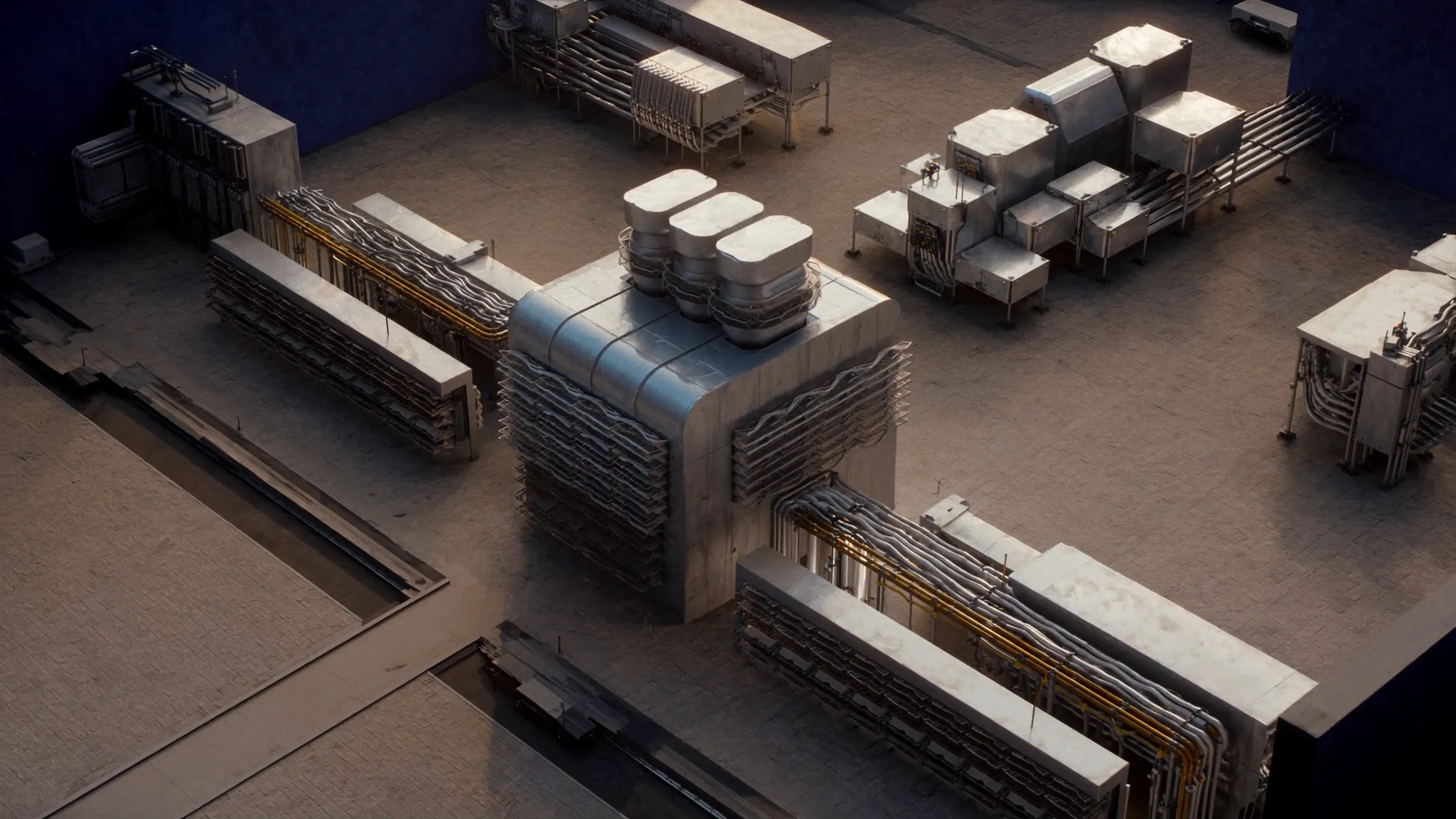
The gas turbine market has traditionally been dominated by global giants such as General Electric (Headquarters: Boston, USA), Siemens Energy (Headquarters: Munich, Germany), and Mitsubishi Power (Headquarters: Yokohama, Japan). In this context, Doosan Enerbility’s contract with a symbolic figure like Elon Musk is seen as more than just a business transaction. Considering Musk’s business portfolio, this contract is likely related to Tesla’s (Headquarters: Austin) energy division or SpaceX facilities.
What personally intrigues me is that Musk, known for focusing on renewable energy, has opted for gas turbines. This seems to reflect a realistic energy transition strategy. Renewable energies like solar and wind have intermittency issues, so gas turbines are still needed for stable backup power or peak demand response.
Looking at Doosan Enerbility’s gas turbine technology, especially in the combined cycle power plant (CCPP) sector, it boasts world-class efficiency. The company’s latest H-class gas turbines achieve over 60% power generation efficiency, nearly double that of traditional coal-fired power. Additionally, they can reduce nitrogen oxide (NOx) emissions to below 25ppm, providing competitiveness in global markets with stringent environmental regulations.
The Current State and Competitive Landscape of the Global Gas Turbine Market
As of 2025, the global gas turbine market size is estimated to be around $20 billion, with an annual growth rate of 3-4%. In terms of market share, General Electric leads with approximately 35%, followed by Siemens Energy at 25% and Mitsubishi Power at around 20%. Doosan Enerbility holds about 5-7% market share but has been steadily expanding its share in recent years.
Particularly noteworthy is the growth in the Asia-Pacific region. With rapidly increasing power demand in India, Southeast Asia, and the Middle East, the construction of gas turbine power plants is becoming more active. In this region, Doosan Enerbility has a favorable position over European competitors due to geographical accessibility and price competitiveness. There have been reports that Doosan’s gas turbines are being considered for the ongoing NEOM project in Saudi Arabia.
The truly interesting aspect of the contract with Musk is its scale and timing. Typically, the price for one gas turbine ranges from $50 million to $100 million, so for three units, the contract could be valued between $150 million to $300 million. Having already secured two orders this year, a total of five units could result in a massive contract worth up to $500 million. Considering Doosan Enerbility’s 2024 revenue is approximately 16 trillion won ($12 billion), this contract could significantly impact the company’s performance.
From Musk’s business strategy perspective, there seems to be an intention to build a hybrid energy system combining Tesla’s Megapack battery storage system with gas turbines. Tesla operates the world’s largest battery storage facility in Moss Landing, California, and adding gas turbines could provide even more stable grid services. Especially in California, where the risk of power outages due to wildfires or extreme weather is high, gas turbines with quick response times can play a crucial role.
Doosan’s Competitiveness from a Technical Perspective
One reason Doosan Enerbility holds competitiveness in the global market is its independent technology development capability. The company invests about 3-4% of its annual revenue in R&D, focusing particularly on developing hydrogen combustion gas turbine technology. In 2024, it successfully demonstrated a gas turbine capable of co-firing 30% hydrogen, aiming for 100% hydrogen combustion commercialization by 2030.
This technological roadmap is crucial due to global carbon neutrality policies. The European Union plans to tighten carbon emission limits on new gas turbines from 2035, and in the U.S., hydrogen co-firing technology is becoming essential under the Biden administration’s clean energy policy. If Doosan secures technology in this area preemptively, it could hold a significant competitive edge over the next decade.
Another technical strength is the use of digital twins and AI for operational optimization solutions. Through its integrated digital platform ‘DOOSAN DIIMS,’ Doosan provides real-time monitoring, predictive maintenance, and performance optimization services for gas turbines. This is evolving into a business model that generates long-term service revenue beyond merely selling hardware. In fact, the service division accounts for over 30% of total revenue, and this proportion continues to grow.
Compared to competitors, General Electric leads the market with its HA-class gas turbines but has faced challenges in recent years due to quality issues and cost overruns. Siemens Energy has excellent technology but is losing out on price competitiveness to Asian companies. Doosan seems to be effectively exploiting this niche.
Notably, Doosan’s supply chain management capability is commendable. Despite the global supply chain instability caused by the COVID-19 pandemic and the Ukraine war, Doosan has adhered to delivery schedules based on stable supply chains in Korea and Southeast Asia. This is a crucial factor for clients, as power plant construction is typically a multi-year large-scale project, and any delivery delays can lead to substantial losses.
If the contract with Musk is finalized, it could mean more than just increased revenue for Doosan Enerbility. The brand power of Musk combined with Tesla’s technology could serve as a strong reference for other global clients in the future. In the energy industry, successful project execution experience plays a decisive role in securing subsequent contracts.
Additionally, this contract could further solidify Doosan’s position in the U.S. market. The U.S. is an attractive market due to the increased economic viability of gas turbine power generation from rising shale gas production and the ongoing demand to replace aging coal-fired power. Doosan already has experience with gas turbine projects in Georgia and Texas, so if the contract with Musk succeeds, it could expand to other projects within the U.S.
However, there are some concerns. Firstly, Musk’s unpredictable business decisions. As seen with the Twitter acquisition and various Tesla projects, Musk often takes business in unexpected directions. Although the contract is imminent, there could be several variables until the final signing.
Secondly, geopolitical risks such as U.S.-China tensions. Gas turbines are a core energy infrastructure, directly linked to national security. In a situation where the U.S. government is intensifying sanctions against Chinese companies, Korean companies may not be entirely free from these constraints. Especially if export controls on key components or materials are tightened, it could impact Doosan’s global business.
Nonetheless, this contract news is a positive signal for Korean energy companies. Not only Doosan Enerbility but also other Korean companies like Doosan Fuel Cell and Hanwha Aerospace are enhancing their competitiveness in the global energy market. Particularly in the megatrends of the hydrogen economy and carbon neutrality, it is very encouraging that the technological capabilities of Korean companies are being recognized globally.
In conclusion, the gas turbine contract between Doosan Enerbility and Musk could be an opportunity for Korean energy companies to take another step forward in the global market. We hope that this achievement, based on technological and price competitiveness, will lead to more overseas orders in the future. However, given the volatile nature of the energy market, continuous technological innovation and risk management seem crucial.
This article was written after reading the [Exclusive] Doosan Enerbility, Close to Signing Additional Contract for 3 Gas Turbines with Elon Musk in the U.S.… Total of 5 Overseas Orders This Year and adding personal opinions and analysis.
Disclaimer: This blog is not a news outlet, and the content reflects the author’s personal views. The responsibility for investment decisions lies with the investor, and no liability is accepted for any investment losses based on the content of this article.
