Will LS Electric’s Entry into the Japanese ESS Market Change the Power Equipment Industry Landscape?
 Editor
Hearing the news that LS Electric (Anyang) held a groundbreaking ceremony for a grid-connected energy storage system (ESS) power plant in Ichihara City, Chiba Prefecture, Japan, it seems that the overseas expansion strategy of the Korean power equipment industry is at a new turning point. This project is particularly noteworthy because LS Electric is directly responsible for the entire process from investment to operation, rather than just supplying equipment.
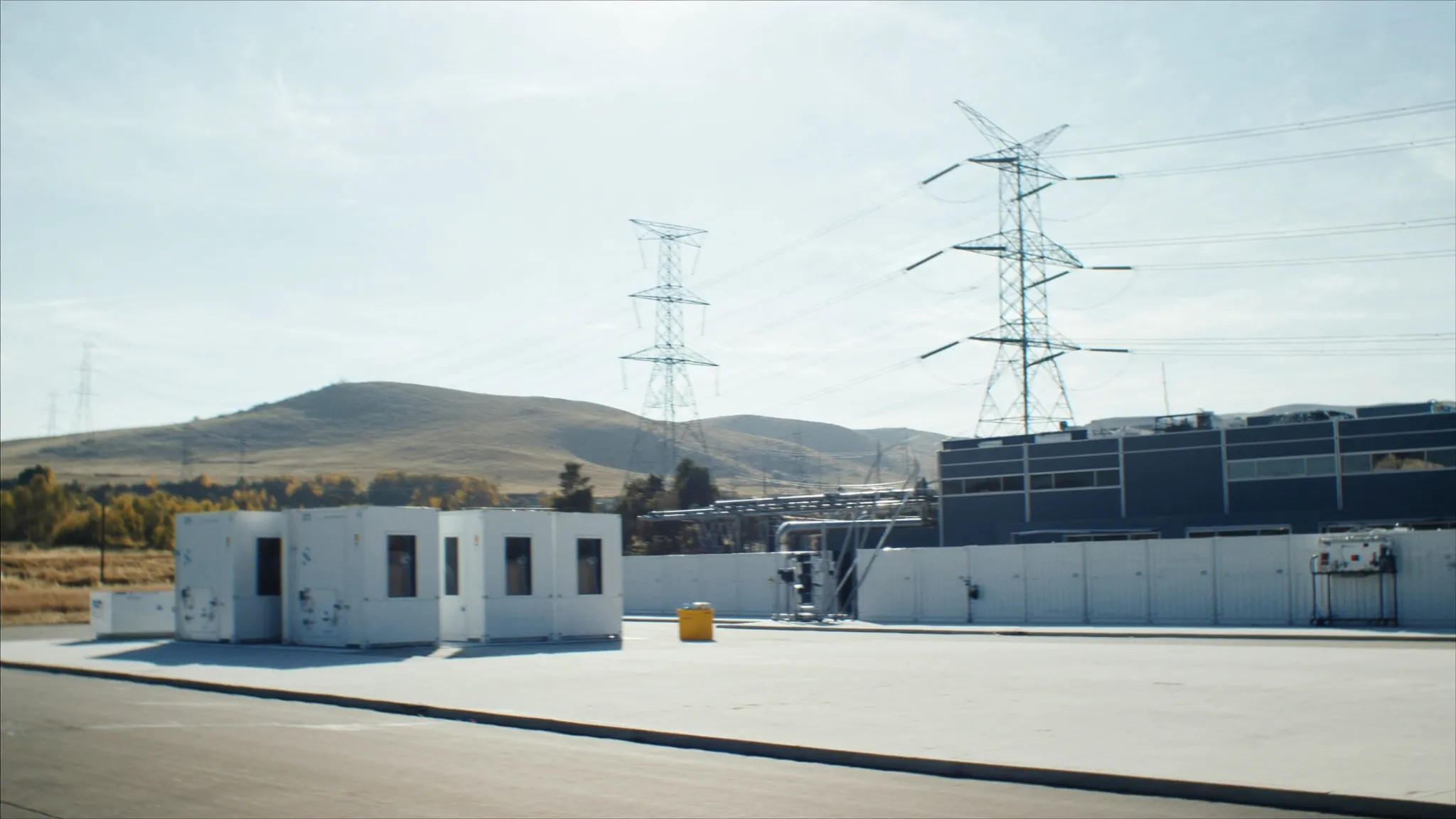
Traditionally, the structure of the ESS business involved financial companies or investment funds providing capital, power companies handling operations, and power equipment companies focusing solely on engineering, procurement, and construction (EPC). However, LS Electric announced that it would break this convention and participate in the entire ESS business in Japan, from investment and operation to power trading. This can be seen as a business model shift from merely selling products to expanding into service operations.
Looking at the growth potential of the Japanese ESS market, one can understand why such a strategy has emerged. Since the Fukushima nuclear accident in 2011, Japan has been actively pursuing renewable energy expansion policies and is significantly increasing the share of solar and wind power to achieve its 2050 carbon neutrality goal. The challenge lies in the variability of these renewable energies, which is where the role of ESS becomes crucial. By storing solar power generated during the day for use at night or supplying wind power generated when the wind blows during windless periods, grid stability can be ensured.
The performance of LS Electric’s entry into the Japanese market is quite impressive. In April this year, it won a contract to build a grid-connected ESS power plant with a 20-megawatt PCS (power conversion system) and a 90-megawatt-hour battery capacity in Watari, Miyagi Prefecture. This is reportedly the largest grid-connected ESS project in Japan won by a Korean company. In 2022, it established the first grid-connected ESS power plants in Hokkaido and Kyushu, and in the Tokyo ESS subsidy project, it secured more than half of the contracts, installing and operating PCS systems.
The Technical Complexity and Competitive Landscape of the ESS Market
The core components of an ESS power plant are divided into batteries, power conversion systems (PCS), and energy management systems (EMS). Batteries store electricity, PCS converts the direct current from the battery to alternating current for the grid or vice versa, and EMS monitors the power supply and demand situation, determining the optimal charge and discharge times. LS Electric shows particular strength in the PCS and EMS fields, likely due to the technological expertise accumulated from its long experience in the power equipment business.
Compared to domestic competitors, each has different strengths. LG Energy Solution is the third-largest global company in the battery sector, securing major clients like Tesla and GM, while Samsung SDI has long-term supply contracts with BMW and Volvo in the premium battery market. SK Innovation is accelerating its overseas expansion by building a battery plant in Georgia, USA. However, while these battery companies mainly focus on electric vehicle batteries, LS Electric is strong in providing total solutions encompassing the entire power infrastructure.
The global ESS market size is expected to grow from approximately $12 billion in 2023 to $40 billion by 2030, with an annual growth rate of over 20%. The Asia-Pacific region, in particular, accounts for more than 40% of the total market and is showing the fastest growth. Japan is the second-largest market in this region after China, with high entry barriers due to stringent technical standards and quality requirements. However, once established, it is a market where stable profits can be expected.
The noteworthy aspect of LS Electric’s strategy is that it goes beyond simply supplying products to directly investing and operating as a power producer. This can lead to higher returns, but it also means taking on all the risks associated with power price fluctuations, policy changes, and technical risks. Japan’s power market has become more competitive with the liberalization of the retail sector in 2016 and the separation of transmission and distribution in 2020. It remains to be seen how profitable the ESS business will be in this environment.
Changes in the Overseas Expansion Strategy of the Korean Power Equipment Industry
LS Electric’s recent move is an example of the changing overseas expansion strategy of the Korean power equipment industry. In the past, the focus was mainly on product exports or winning EPC projects, but now it is evolving into an integrated business model that includes investment and operation. This seems to be an attempt to create a long-term and stable revenue structure beyond merely increasing sales volume.
For instance, Hyundai Electric is focusing on market entry through local partnerships by winning substation construction projects in the Middle East and Southeast Asia, while POSCO DX is entering the manufacturing digital transformation market with its smart factory solutions. Although they have different approaches, the commonality is that they provide integrated services and solutions beyond simple product supply.
Considering the characteristics of the Japanese market, LS Electric’s strategy seems quite rational. Japan has stringent technical standards and high-quality requirements, but once trust is established, it tends to maintain stable relationships over the long term. Moreover, since power infrastructure operates for 20-30 years once built, the initial investment burden is high, but stable cash flow can be expected in the long run. Especially since the Japanese government plans to increase the share of renewable energy from the current 20% to 36-38% to achieve its 2050 carbon neutrality goal, the demand for ESS is expected to continue to rise.
However, there are certainly risk factors. First, Japan’s electricity pricing system is complex and varies by region, making profitability predictions difficult. Additionally, battery price volatility, the potential decline in competitiveness of existing facilities due to technological advancements, and regulatory changes are factors to consider. Especially with Chinese companies increasing their market share through low-cost strategies, how sustainable a differentiation strategy based on technological superiority will be is an important variable.
Nevertheless, LS Electric’s challenge holds significant implications for the Korean power equipment industry. At a time when a shift from a manufacturing-centered growth model to a new business model combining services and solutions is needed, it provides a concrete example of execution. If successful, other companies are likely to follow similar strategies, which could ultimately lead to enhanced competitiveness for the entire Korean power equipment industry.
It will be interesting to see what results LS Electric’s Japanese ESS business will achieve and how it will affect the overseas expansion of other Korean companies. Especially with the global renewable energy and ESS markets growing rapidly as of the end of 2025, it will be noteworthy to see what results these proactive investment and entry strategies will bring in the medium to long term.
This article was written after reading an industry article, adding personal opinions and analysis.
Disclaimer: This blog is not a news outlet, and the content written reflects the author’s personal views. The responsibility for investment decisions lies with the investor, and no liability is accepted for investment losses based on the content of this article.
