HD Hyundai and Doosan Fuel Cell’s Hybrid Energy Alliance: A New Paradigm Shift in the Hydrogen Power Market
 Editor
Today, I came across an intriguing piece of news in the Korea Economic Daily. It reported that HD Hydrogen, a subsidiary of HD Hyundai Group specializing in hydrogen fuel cells, has signed an MOU with HD Hyundai Infracore and Doosan Fuel Cell to develop a ‘domestically-produced eco-friendly hybrid energy system.’ While it might seem like a simple collaboration announcement, there is a significant strategic implication behind this news that could reshape the landscape of the Korean energy industry.
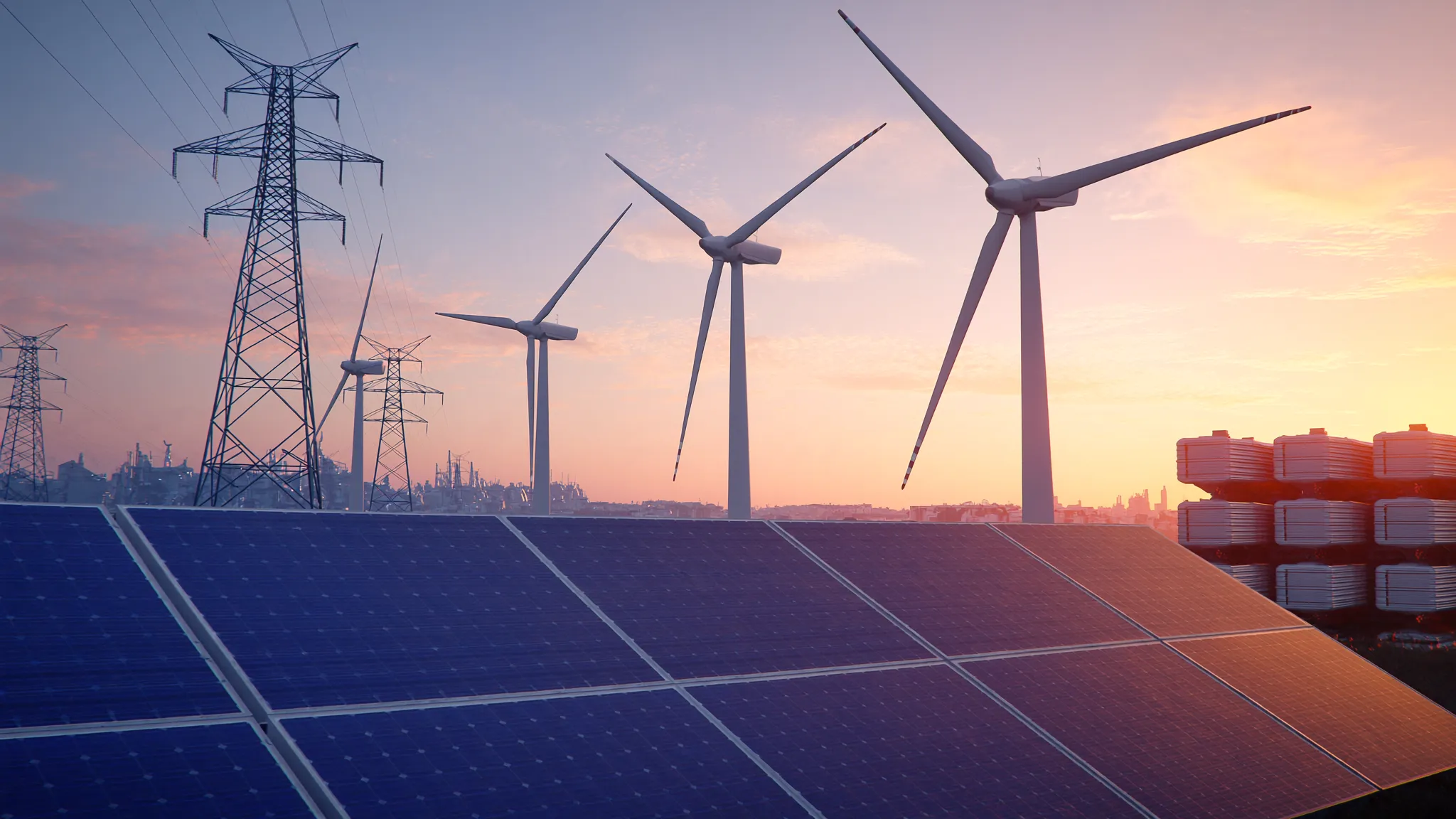
In fact, the distributed power market has been rapidly growing worldwide over the past few years. As of 2025, the global distributed power market size is expected to reach approximately $350 billion, with an annual growth rate of 8.2%. Particularly in Korea, the government’s plan to increase the share of renewable energy generation to 30.2% by 2030 has heightened the need for reliable backup systems to ensure stable power supply.
The core of this collaboration lies in the hybrid system combining fuel cells and hydrogen engines. Personally, I find this approach to be very clever. While fuel cells boast high efficiency (around 50-60%), they come with high initial investment costs. On the other hand, hydrogen engines are relatively economical but have lower efficiency. By combining these two technologies, it seems possible to leverage their respective strengths while mitigating their weaknesses.
The division of roles is also interesting, with HD Hydrogen and Doosan Fuel Cell handling the fuel cell technology and HD Hyundai Infracore taking charge of the hydrogen engine technology. Doosan Fuel Cell, as of the third quarter of 2025, holds about 35% of the domestic fuel cell market share and possesses unrivaled technological prowess in the large-scale power generation fuel cell sector. The company continues its growth trajectory, recording a 42% increase in sales in the first half of this year compared to the same period last year, reaching 284.7 billion KRW.
The Competitive Landscape of the Global Hydrogen Energy Market
In a global context, this collaboration holds even greater significance. Currently, the global hydrogen fuel cell market is led by companies such as Panasonic Corporation (Osaka, Japan), Toshiba Corporation (Tokyo, Japan), Bloom Energy Corporation (San Jose, California, USA), and Siemens Energy AG (Munich, Germany). Notably, Japan has been leading the market since 2009 with the commercialization of the home fuel cell system ‘ENE-FARM,’ with approximately 400,000 units installed and operational to date.
However, recently, the rise of Korean companies has been noticeable. As of 2024, Doosan Fuel Cell holds about 12% of the global fuel cell market share, securing a position as the third-largest player globally. What is particularly noteworthy is that in the large-scale power generation fuel cell sector, they are ahead of Japanese companies. In fact, Doosan Fuel Cell’s 440kW fuel cell boasts the largest unit capacity in the world, with a power generation efficiency of 47%, the highest in the industry.
HD Hyundai Group’s entry into the hydrogen business is also noteworthy. Since HD Korea Shipbuilding & Offshore Engineering began developing fuel cell systems for ships in 2021, the group has been actively building a hydrogen value chain. Notably, HD Hyundai Infracore announced earlier this year an investment of 120 billion KRW in hydrogen engine development, a remarkably bold move in the construction machinery industry.
What’s truly fascinating is that this collaboration is unlikely to stop at mere technology development. All three companies have strong customer bases in their respective fields. HD Hyundai Infracore has a solid network in the construction machinery and industrial engine sectors, Doosan Fuel Cell with power generation operators and large corporate clients, and HD Hydrogen in the shipbuilding and marine sectors. Leveraging this synergy could significantly accelerate the commercialization of the developed hybrid system.
New Opportunities in the Distributed Power Market
The reason hydrogen-based systems are gaining attention in the distributed power market is clear. Renewable energies like solar and wind have highly variable generation outputs depending on the weather, necessitating stable backup power. Traditionally, diesel generators or gas turbines have been used, but with the strengthening of carbon neutrality policies, the demand for eco-friendly alternatives is surging.
According to data from the Korea Energy Agency, the domestic distributed power facility capacity is currently around 15GW as of 2025, with plans to expand to 35GW by 2030. The share of hydrogen fuel cells, currently about 8%, is expected to increase to 15% by 2030. In terms of market size, this opens up opportunities worth approximately 12 trillion KRW.
In particular, the stability of power supply is crucial in industrial complexes or large commercial facilities. A power outage can result in significant losses. For instance, in semiconductor plants, an hour of power outage can lead to losses amounting to hundreds of billions of KRW, prompting these facilities to secure stable backup power even at a premium. The hydrogen hybrid system could be the perfect solution to meet these needs.
It’s also important to consider the trends of competitors. POSCO Holdings announced an investment of 2 trillion KRW in the hydrogen business by 2024, and Hyundai Motor Group plans to invest 11 trillion KRW in hydrogen mobility and energy solutions by 2030. SK Group is also building a hydrogen value chain centered around SK E&S. The fact that major corporations are rushing into the hydrogen business indicates the immense growth potential of the market.
However, there are several concerns. The biggest issue remains the high cost. Currently, the power generation cost of hydrogen fuel cells is about 200-300 KRW per kWh, still higher than traditional thermal power (60-80 KRW) or solar power (50-70 KRW). While costs are continuously decreasing due to mass production and technological advancements, achieving economic viability will take more time.
The hydrogen supply infrastructure is also a critical challenge. No matter how good the system is, it is meaningless without a stable hydrogen supply. Fortunately, the government has announced plans to increase hydrogen refueling stations to 660 by 2030 and to establish a hydrogen pipeline network, but substantial time and investment will be needed for actual implementation.
Nevertheless, the collaboration between HD Hyundai and Doosan Fuel Cell is highly commendable. Their approach to creating synergy by combining their strengths is wise, and above all, their determination to secure competitiveness in the global market with ‘domestic technology’ is noteworthy. In fact, the level of Korean hydrogen fuel cell technology is already among the best in the world, and hydrogen engine technology is rapidly advancing, suggesting a promising outlook.
Personally, I believe the key is whether this collaboration can go beyond mere technology development and lead to actual commercialization. While it is technically feasible, success in the market requires both economic viability and reliability. Fortunately, all three companies have accumulated extensive experience and know-how in their respective fields, indicating a high likelihood of success. It will be interesting to see if their progress marks a new turning point in the Korean hydrogen energy industry.
This article was written after reading an industry article and adding personal opinions and analysis.
Disclaimer: This blog is not a news outlet, and the content reflects the author’s personal views. The responsibility for investment decisions lies with the investor, and the author assumes no responsibility for any investment losses based on this article.
