Is Extending the Lifespan of the Over 40-Year-Old Kori Unit 2 Nuclear Plant Really Safe?
 Editor
On November 13, 2025, news broke that the Nuclear Safety and Security Commission approved the lifespan extension of the Kori Unit 2 nuclear plant. Having started operations in 1983, this plant is now in its 42nd year and will continue to operate for another 10 years. This decision has sparked controversy, prompting a reevaluation of the complex realities of our country’s energy policy.
In an interview with Park Jong-kwon, head of the Anti-Nuclear Citizens’ Action in Gyeongnam, it was revealed that Kori Unit 2 accounts for only 0.5% of the nation’s total power production. As of 2024, out of the country’s total power production of 595.6 billion kWh, Kori Unit 2 produced an average of only 3.1 billion kWh over the past four years. This is even less than the 26 billion kWh consumed annually by a single company like Samsung Electronics. This raises questions about why such a small-scale, aging plant needs to be operated with an extended lifespan.
What’s more surprising is that Kori Unit 2’s operational rate is only 54% on average. This is significantly lower compared to the national average operational rate of 83% for all 26 nuclear plants. From 2020 to 2023, its annual power production fluctuated between 2 billion kWh and 5.5 billion kWh, which is attributed to frequent breakdowns due to aging. Just as a 42-year-old car frequently breaks down, it seems the same applies to nuclear plants.
The review process by the Nuclear Safety and Security Commission also appears problematic. Originally, the application for lifespan extension was due by April 2021, two years before expiration. However, due to the Moon Jae-in administration’s anti-nuclear stance, the application was not submitted until a month after President Yoon Suk-yeol’s election in 2022. After a 3-year and 4-month safety review, the extension was approved with 5 out of 6 committee members in favor, while one member opposed, citing insufficient safety assurances, which is concerning.
Controversy Over Nuclear Economics and Actual Cost Structure
Korea Hydro & Nuclear Power and the government claim that nuclear power is the cheapest energy source, but analyses suggest otherwise. According to the levelized cost of electricity (LCOE) analyses by energy expert organizations such as the International Energy Agency (IEA), Lazard, and the Korea Environment Institute, nuclear power is the most expensive, followed by coal, with solar and wind being the cheapest energy sources.
Particularly, when considering hidden costs of nuclear power, its economic viability significantly diminishes. For instance, nuclear accident insurance covers only 1/1000 of the expected damage amount. If proper insurance were obtained, the cost of power generation could increase by up to 2.5 times. Considering the astronomical recovery costs Japan faced after the Fukushima nuclear disaster, these concerns do not seem exaggerated.
Additionally, the cost of handling high-level radioactive waste is being passed on to future generations. Korea has yet to establish a permanent disposal site for high-level waste, while continuing to produce nuclear waste. When all these costs are considered, the actual economic viability of nuclear power may differ significantly from the reported figures.
As of the third quarter of 2024, Korea Hydro & Nuclear Power recorded sales of 17.8 trillion won and an operating profit of 1.2 trillion won, but these figures likely do not reflect the hidden social costs associated with nuclear operations. In contrast, renewable energy companies like Hanwha Systems and Doosan Enerbility are experiencing significant sales growth with the rapid expansion of the solar and wind power markets in 2025.
Global Energy Transition Trends and Korea’s Choice
Amid accelerating global energy transitions, Korea’s policy of extending nuclear plant lifespans seems somewhat regressive. Germany achieved complete nuclear phase-out by permanently shutting down its last three plants in April 2023, and even France is significantly reducing its new nuclear construction plans while increasing its renewable energy share.
In the United States, 60% of new power installations in 2024 were solar, and 25% were wind, with almost no new nuclear construction. Even Westinghouse is focusing on maintaining existing nuclear plants, with very limited new construction.
China continues to build nuclear plants, but its investment in solar and wind power installations is over ten times larger than that in nuclear. In 2024, China’s new renewable energy installations exceeded 300 GW, accounting for more than 60% of global new installations.
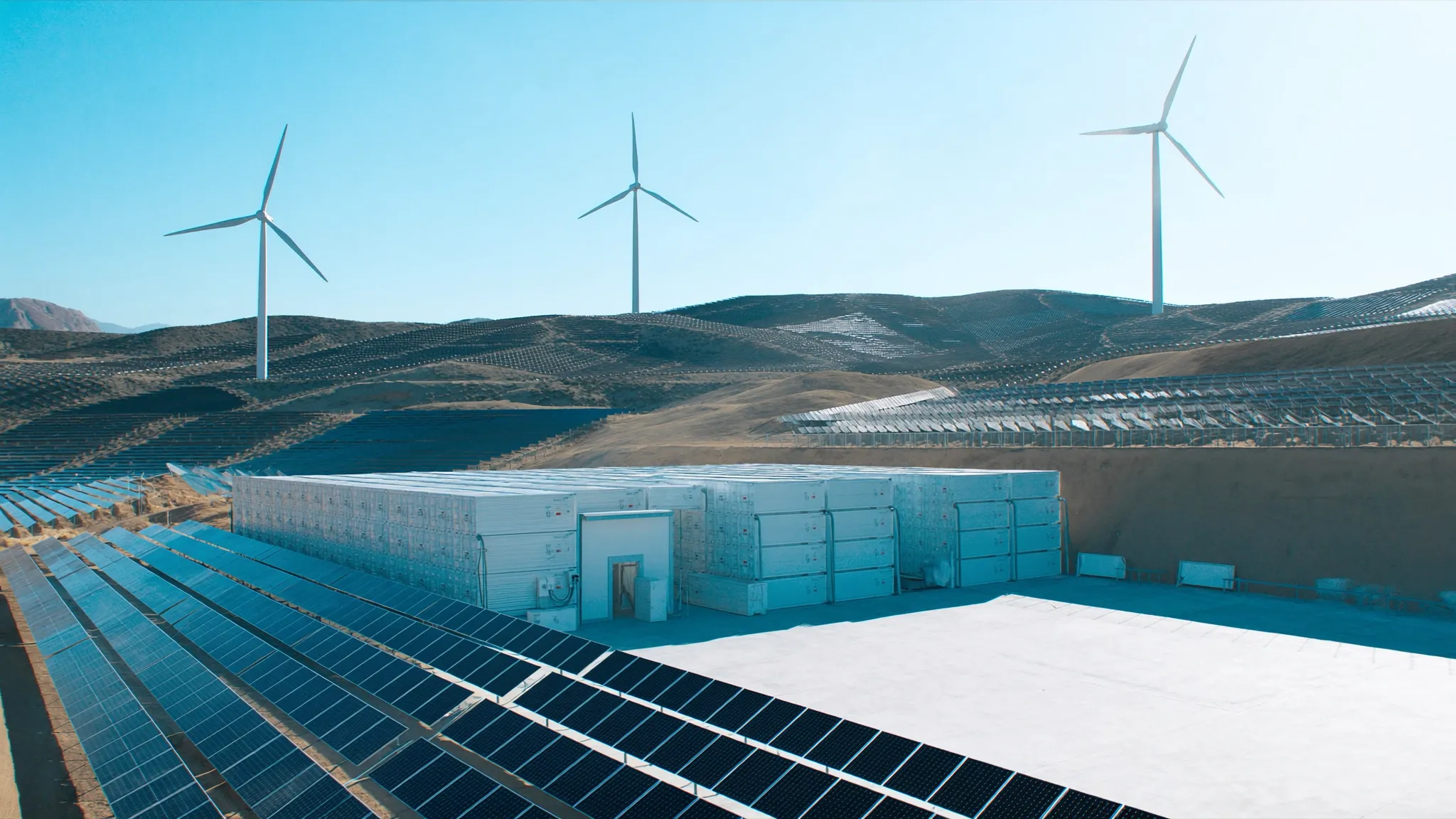
Given these global trends, one wonders whether Korea’s reliance on extending the lifespan of a 42-year-old nuclear plant is truly forward-looking. While there are claims that nuclear power is needed due to increasing power demand from AI and data centers, in reality, solar and wind energy could be faster and more economical ways to increase power supply.
Park Jong-kwon pointed out in an interview that “the claim that nuclear power is needed because of AI is an exaggeration of demand.” In fact, global tech giants like Microsoft, Google, and Amazon have set goals to supply their data centers with 100% renewable energy. Tesla operates its factories and Supercharger networks entirely on solar energy, and this trend continues to spread.
With 10 nuclear plants, including Kori Units 3 and 4, Wolsong Units 2, 3, and 4, and Hanbit Units 1 and 2, facing expiration within the next five years, the extension of Kori Unit 2’s lifespan could set a precedent. However, whether such blanket lifespan extensions are safe and economical needs more careful consideration.
Personally, I question the necessity of operating an aging nuclear plant that contributes only 0.5% to total power production for another 10 years at risk. Instead, building new solar or wind power plants with the same cost could be a safer and more sustainable choice. Especially considering the safety of 3 million citizens in the Busan and Gyeongnam regions, the Nuclear Safety and Security Commission should have made decisions through more cautious and transparent procedures.
This article was written after reading an OhmyNews article and adding personal opinions and analysis.
Disclaimer: This blog is not a news outlet, and the content reflects the author’s personal views. The responsibility for investment decisions lies with the investor, and no liability is assumed for investment losses based on the content of this article.
