Korea’s Hydrogen Economy Innovation: The Rise of K-Hydrogen Technology in the Global Clean Energy Market by 2025
 Editor
As the global hydrogen market is projected to grow to an annual scale of $280 billion (approximately 377 trillion won) by 2025, Korea is securing a unique technological edge and market position across the hydrogen economy ecosystem. According to the Korean government’s ‘4th Basic Plan for Hydrogen Economy Implementation,’ a total of 109 trillion won will be invested in the hydrogen industry by 2030, aiming to expand the annual hydrogen demand to 3.9 million tons. This represents a 650% increase compared to 2024, demonstrating Korea’s determination to solidify its status as a leading hydrogen economy nation. The latest report from the International Energy Agency (IEA) predicts that global hydrogen production will increase from 95 million tons in 2024 to 180 million tons by 2030, with the share of clean hydrogen expected to surge from 30% to 70%.
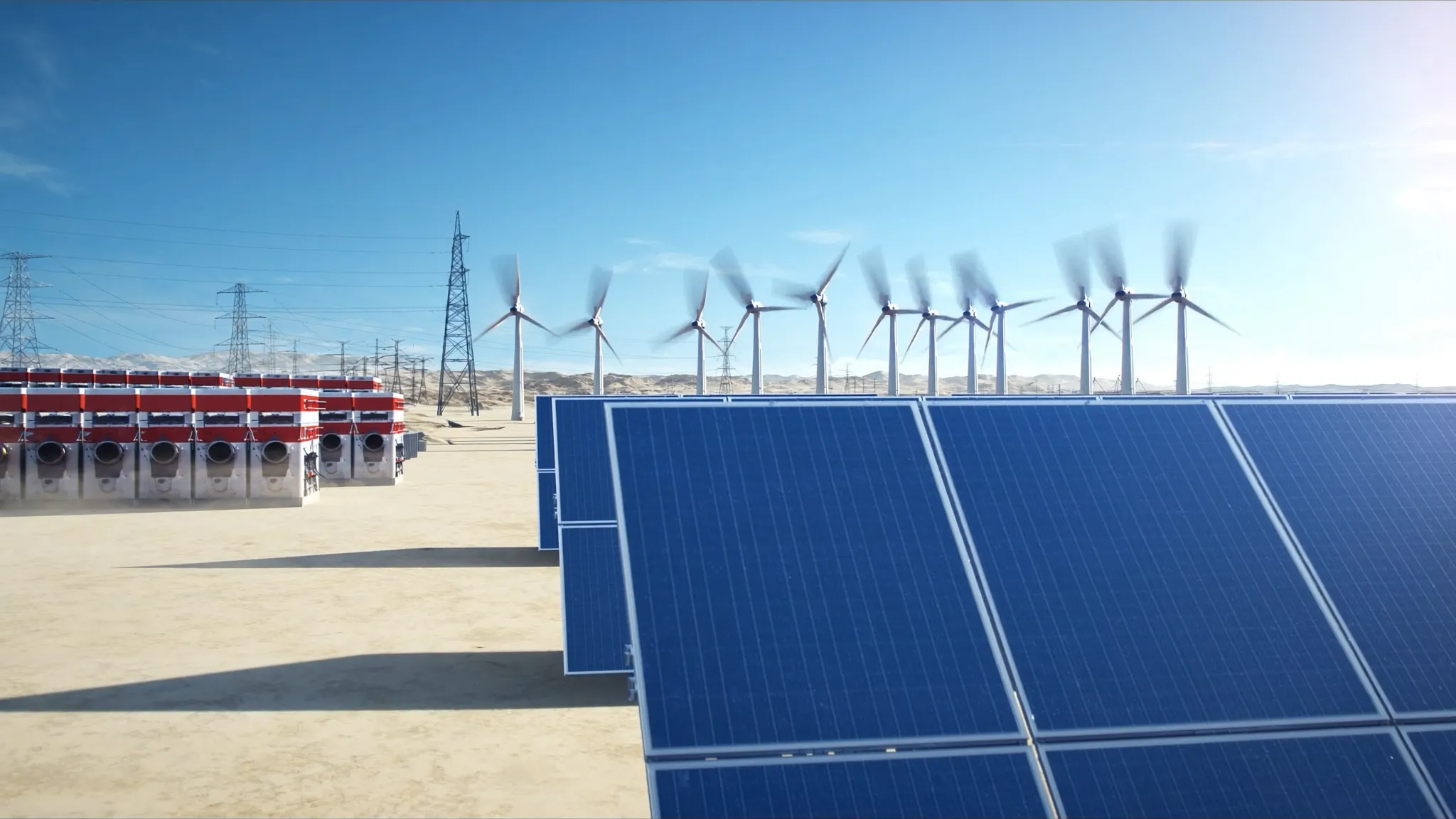
Key companies leading Korea’s hydrogen technology innovation are showing remarkable achievements. Doosan Enerbility maintains its market leadership with a 35% share of the global hydrogen turbine market as of the third quarter of 2025. The company secured hydrogen power projects worth a total of $2.3 billion in the Middle East this year, including a contract to supply the world’s largest 4GW hydrogen turbine for Saudi Arabia’s NEOM project. Doosan Fuel Cell is also experiencing significant growth in the fuel cell sector. Its revenue in the first half of 2025 increased by 187% year-on-year to 184.7 billion won, with exports of large-capacity fuel cell systems accounting for 68% of total sales, proving its competitiveness in the global market.
## Hydrogen Mobility Revolution and Market Expansion
Korean companies’ technological superiority in the hydrogen mobility sector is becoming more evident. Hyundai Motor Company holds a dominant 73% share of the global hydrogen passenger car market as of November 2025. The cumulative sales of the NEXO model have surpassed 47,000 units worldwide, with notable growth in the European market. In Germany alone, 1,200 units were sold in the first half of 2025, marking a 340% increase year-on-year. Hyundai’s hydrogen commercial vehicle segment is also rapidly growing. The global cumulative sales of the hydrogen truck XCIENT have reached 1,850 units, with vehicles operating in Switzerland, Germany, and the United States collectively covering 9.2 million kilometers, achieving a reduction of approximately 9,200 tons of carbon dioxide emissions.
In the hydrogen charging station sector, a key infrastructure for hydrogen mobility, Korea’s technology is setting global standards. Hyosung Heavy Industries’ liquid hydrogen charging system reduces charging time by 75% compared to conventional gaseous hydrogen and improves storage efficiency by 300%. The company is undertaking a project to establish 50 liquid hydrogen charging stations in California, USA, starting in the second half of 2025, expecting annual sales of approximately 18 billion won. As of December 2025, there are 310 hydrogen charging stations in Korea, the third highest in the world. According to government plans, this number will expand to 1,200 by 2030.
The economic impact of the hydrogen mobility ecosystem is also significant. According to the Korea Hydrogen Industry Association’s analysis, the domestic hydrogen mobility market size is expected to reach 4.2 trillion won in 2025, with hydrogen vehicle sales accounting for 2.8 trillion won, charging infrastructure for 950 billion won, and related parts and services for 450 billion won. The employment effect in the hydrogen mobility sector is estimated at approximately 87,000 jobs in 2025, expected to exceed 150,000 by 2030. The employment impact is particularly notable in hydrogen cluster regions such as Ulsan, Changwon, and Ansan, where about 430 hydrogen-related companies are concentrated.
## Green Hydrogen Production and Global Supply Chain Innovation
Korean companies are leading the global market in clean hydrogen production technology. POSCO Holdings is commercializing hydrogen reduction steelmaking technology for the first time in the world by 2025, transforming the steel industry paradigm. The hydrogen reduction steelmaking facility at the Gwangyang Steelworks, with an annual capacity of 1 million tons, reduces carbon dioxide emissions by 85% compared to traditional blast furnaces, creating an annual carbon reduction effect of approximately 8.5 million tons. Based on this technology, POSCO plans to export hydrogen reduction steelmaking technology to 10 countries worldwide by 2030, with expected export revenues of about $12 billion.
SK Innovation’s green hydrogen business is also experiencing rapid growth. The company completed the construction of a green hydrogen production facility with an annual capacity of 30,000 tons at the Ulsan Complex in the first half of 2025, the largest in Korea. The production cost of hydrogen from this facility is $3.2 per kilogram, about 40% higher than conventional gray hydrogen, but with 99.8% less carbon emissions. SK Innovation plans to expand its green hydrogen production capacity to 250,000 tons annually by 2030, with a total investment of 8 trillion won over the next five years. The company’s green hydrogen business revenue reached 230 billion won in 2025, a 420% increase from the previous year.
Korea Gas Corporation plays a key role in building hydrogen storage and transportation infrastructure. The company’s liquid hydrogen storage technology can store hydrogen in a liquid state at minus 253 degrees Celsius, reducing its volume to 1/800. The Incheon Liquid Hydrogen Terminal, completed in the second half of 2025, can process 100,000 tons of liquid hydrogen annually, enough to power 500,000 hydrogen vehicles for a year. Based on this technology, Korea Gas Corporation has signed long-term hydrogen import agreements with Australia, Saudi Arabia, and Chile, planning to import 2 million tons of clean hydrogen annually by 2030.
Korea’s role in establishing an international hydrogen supply chain is also expanding. Through the Korea-Australia Hydrogen Partnership, 10,000 tons of liquid hydrogen are being imported annually from Australia to Korea starting in 2025, marking the world’s first commercial-scale liquid hydrogen maritime transport case. The ‘Hydrogen Frontier’ ship used for transportation was built by Kawasaki Heavy Industries in Japan, but the core storage tank technology was developed by Daewoo Shipbuilding & Marine Engineering in Korea. By 2030, the hydrogen trade volume between Korea and Australia is expected to expand to 500,000 tons annually, with a market value of approximately $18 billion.
Hydrogen cooperation with the Middle East is also accelerating. A contract was signed in 2025 for Korea to import green ammonia produced by Saudi Arabia’s NEOM project, with an annual supply of 1 million tons starting in 2027 for 20 years. The total value of this contract is approximately $24 billion, capable of meeting 25% of Korea’s annual hydrogen demand. A similar scale contract is under negotiation with the UAE, through which Korea plans to procure 60% of its hydrogen imports from the Middle East by 2030.
The economic viability of green hydrogen production technology is also rapidly improving. According to the Korea Institute of Energy Technology’s analysis, the domestic green hydrogen production cost decreased by 38% from $6.8 per kilogram in 2024 to $4.2 in 2025. This is due to the decline in renewable energy generation costs and improvements in electrolyzer efficiency. In particular, the efficiency of the polymer electrolyte membrane fuel cell (PEMFC) technology developed by Korean companies has improved to 85%, reaching the highest global standards. The government has set a goal to reduce the green hydrogen production cost to below $3 per kilogram by 2030, making it competitive with gray hydrogen.
With the global spread of the hydrogen economy, the overseas expansion of Korean companies is accelerating. Doosan Enerbility is engaged in hydrogen-related projects in 23 countries worldwide as of the end of 2025, with overseas sales accounting for 78% of the total. Hyundai Motor Company announced the construction of a hydrogen vehicle production plant with an annual capacity of 500,000 units in Georgia, USA, aiming for operation by 2027. This plant is expected to serve as a forward base for targeting the North American hydrogen mobility market, producing not only hydrogen passenger cars but also hydrogen trucks and buses.
As Korea’s hydrogen economy ecosystem matures, new business models are emerging. Various service industries such as hydrogen financial services, hydrogen exchanges, and hydrogen certification systems are developing, becoming important elements in enhancing the completeness of the hydrogen economy. The Korea Exchange began hydrogen futures trading in the second half of 2025, with a monthly average trading volume of 2,400 tons. As transparency and predictability of hydrogen prices increase, related investments and business planning are becoming more active.
Government policy support is also a key driver of hydrogen industry development. The revision of the Hydrogen Act in 2025 strengthened hydrogen safety standards, simplified licensing procedures, and provided a legal basis for the construction of hydrogen-dedicated ports and pipelines. Tax benefits for revitalizing the hydrogen economy have also been expanded, with up to 40% tax credits applied to hydrogen production and utilization companies. At the local government level, the creation of hydrogen-specialized industrial complexes is active, with eight regions including Ulsan, Changwon, Dangjin, and Boryeong designated as hydrogen clusters receiving focused investment.
The social acceptance of the hydrogen economy is also continuously improving. According to a 2025 survey by Gallup Korea, 76% of the public positively evaluates hydrogen energy, an 18 percentage point increase from 2023. The intention to purchase hydrogen vehicles also rose to 35%, a 12 percentage point increase from the previous year, with 48% of those in their 20s and 30s expressing purchase intentions. Acceptance among residents near hydrogen charging stations has improved, with opposition decreasing from 42% in 2023 to 23% in 2025. This is analyzed as a result of alleviated safety concerns and increased expectations for economic effects.
In 2025, Korea’s hydrogen economy is establishing a unique position in the global market through the combination of technological superiority, policy support, and corporate innovation. By securing competitiveness across the hydrogen value chain, creating new business models, and building international partnerships, a sustainable growth foundation has been established. Korean companies are expected to continue expanding their market share and strengthening technological leadership in the global hydrogen market, which is projected to grow at an average annual rate of 28% over the next five years. As global efforts to achieve the 2030 carbon neutrality interim target accelerate, Korea’s hydrogen technology and experience are expected to become even more valuable assets.
This analysis is based on publicly available market data and industry reports and is not intended as an investment recommendation or endorsement of specific companies. All investment decisions should be made at the discretion and responsibility of individual investors.
