The Rapid Growth of the Global Small Modular Reactor (SMR) Market and Strategic Opportunities for the Korean Energy Industry
 Editor
Explosive Growth of the SMR Market and Industry Restructuring
As of December 2025, the Small Modular Reactor (SMR) market is experiencing rapid growth worldwide, leading a paradigm shift in the energy industry. According to the International Atomic Energy Agency (IAEA), investments related to SMRs increased by 35% in 2025 compared to 2024, reaching $18 billion, significantly surpassing the 8% annual growth rate of the traditional large nuclear power plant market. Particularly noteworthy is the latest report from the U.S. Department of Energy, which forecasts that the SMR market will maintain an annual growth rate of 22% until 2030, with the overall market size reaching $65 billion.
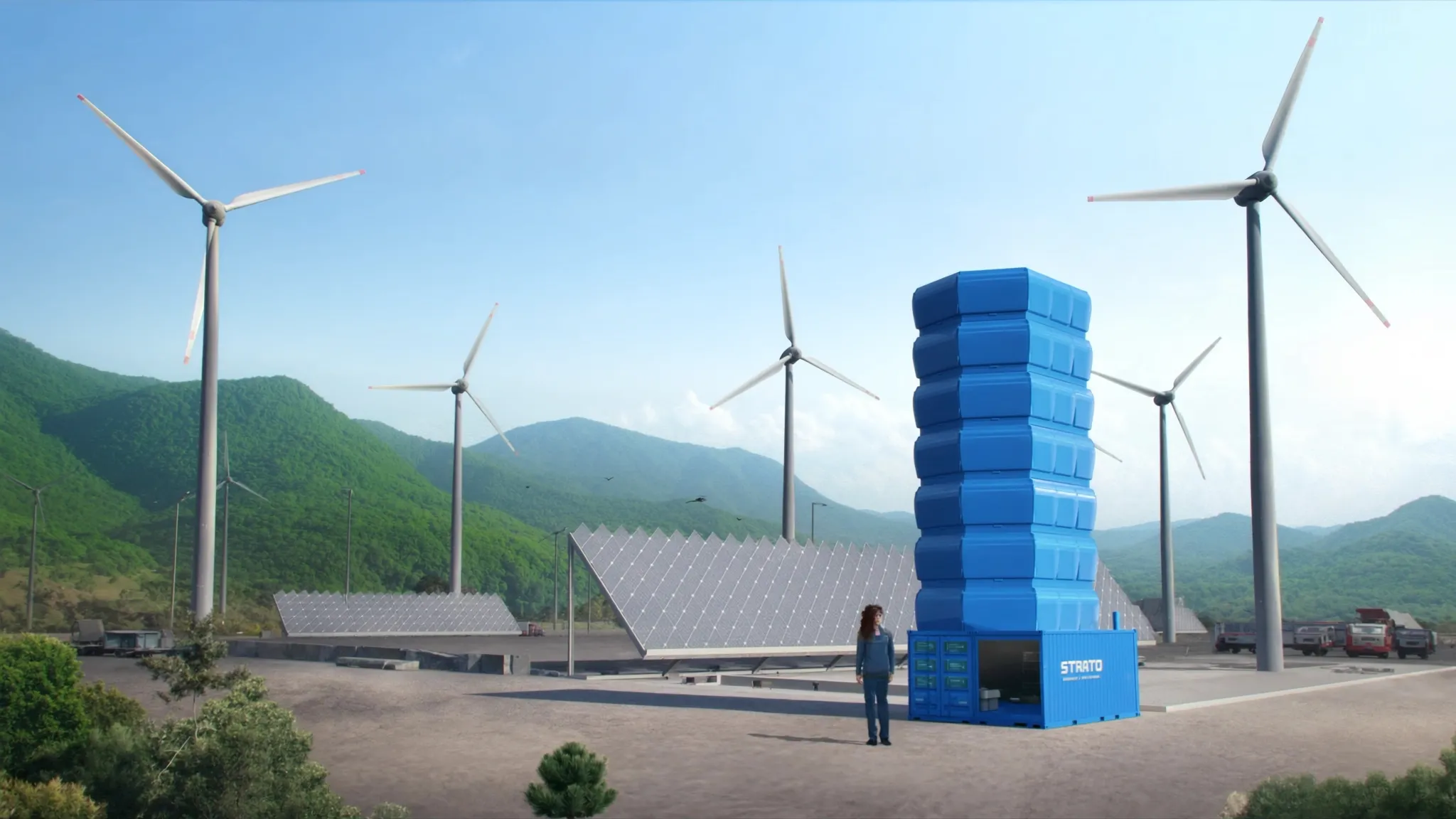
The backdrop of this rapid growth includes the dual challenges of addressing climate change and ensuring energy security. While traditional large nuclear power plants face construction periods of 10-15 years and initial investment costs of $15-20 billion, SMRs demonstrate significant economic advantages with construction periods of 3-5 years and initial investment costs of $3-5 billion. For instance, Westinghouse Electric’s latest AP300 model, located in Pennsylvania, USA, has a capacity of 300MW, capable of supplying power to approximately 250,000 households, and offers flexibility to expand capacity as needed through its modular design.
According to Wood Mackenzie’s Q3 2025 report, there are currently over 80 SMR projects worldwide at various stages of development, with 15 projects expected to receive construction permits by 2025. Notably, NuScale Power’s 77MW SMR, developed in the U.S., received final design approval from the Nuclear Regulatory Commission (NRC) in August 2025, aiming for commercial operation at the Idaho National Laboratory by 2029. This marks a significant milestone in the commercialization of SMR technology.
Interest in SMRs is also surging in the Korean market. The SMART (System-integrated Modular Advanced ReacTor) technology under development by the Korea Atomic Energy Research Institute can supply power to 100,000 households with a capacity of 100MW, and negotiations are underway for export contracts to the Middle East, including Saudi Arabia and Jordan. Particularly, Doosan Enerbility, based in Changwon, Gyeongsangnam-do, announced in September 2025 a $1.5 billion investment to establish an SMR manufacturing plant in Texas, USA, indicating that Korean companies will play a key role in the global SMR supply chain.
Technological Innovation and Diversification of Competitive Landscape
The core competitiveness of SMR technology lies in simultaneously ensuring safety and efficiency. While traditional large nuclear power plants rely on active safety systems, SMRs possess unique safety features that allow them to safely shut down without external power or operator intervention through passive safety systems. For instance, Rolls-Royce, based in London, UK, is developing a 470MW SMR that applies a passive cooling system to automatically condense steam and reduce pressure if the internal pressure of the containment exceeds design standards. Such innovative safety technologies are key to alleviating public concerns about nuclear safety post-Fukushima.
In terms of competitive landscape, the SMR market presents a different pattern compared to the traditional nuclear power industry. While large nuclear plant manufacturers like Westinghouse, General Electric (now GE Vernova, based in North Carolina, USA), and Framatome (France) traditionally dominated the market, the SMR market sees new entrants like TerraPower (USA), X-energy (USA), and Molten Salt Reactor (Denmark) competing with innovative technologies. Notably, TerraPower, founded by Bill Gates, has developed a 345MW Natrium reactor based on sodium-cooled fast reactor technology, launching a demonstration project in Wyoming in 2025.
Technological diversity is also a characteristic of the SMR market. In addition to traditional approaches based on light-water reactors, various technological routes such as high-temperature gas-cooled reactors (HTGR), molten salt reactors (MSR), and liquid metal-cooled reactors (LMR) are competing. China’s Hualong One (China National Nuclear Corporation, based in Beijing) developed the ACP100, a 125MW integrated light-water reactor, with construction starting in Hainan Province in 2025 and aiming for commercial operation by 2028. Meanwhile, Canada’s Terrestrial Energy (based in Ontario) is developing the IMSR (Integral Molten Salt Reactor) using molten salt reactor technology, showcasing next-generation SMRs capable of producing hydrogen or supplying industrial steam using high-temperature heat.
Korean companies’ technological competitiveness is also noteworthy. KEPCO E&C, a subsidiary of Korea Electric Power Corporation (based in Seoul), is strengthening its SMR design and construction capabilities based on its experience with the Barakah nuclear power plant in the UAE, signing a memorandum of understanding with the Czech government for SMR technology cooperation in October 2025. Additionally, Doosan Enerbility possesses core equipment manufacturing technologies for steam generators and reactor vessels, solidifying its position as a key supplier in global SMR projects. In fact, the contract for Doosan Enerbility to supply major equipment for NuScale Power’s SMR project amounts to approximately $2 billion.
Examining investment trends, venture capital investment related to SMRs increased by 45% year-on-year to $2.5 billion in 2025. Notably, major tech companies like Microsoft, Google, and Amazon are investing in SMR technology to supply power to data centers. Microsoft signed a power supply contract with Helion Energy based on SMR technology in November 2025, agreeing to receive 500MW of power starting in 2028. The participation of these big tech companies further solidifies the demand base for the SMR market.
Market Outlook and Investment Opportunity Analysis
The long-term outlook for the SMR market is very positive. According to the International Energy Agency’s (IEA) 2025 World Energy Outlook report, achieving carbon neutrality by 2050 requires expanding global nuclear power generation to 1,200GW, 2.5 times the current level, with 30-40% supplied by SMRs. This suggests that the SMR market can sustain high growth of 18-22% annually over the next 25 years. The Asia-Pacific region is expected to account for 45% of the total SMR market, presenting Korea with an opportunity to solidify its position as a technology leader in the region.
Analyzing regional market trends, North America currently holds 40% of the total SMR market as of 2025, maintaining a leading position. The U.S. offers a production tax credit of 3 cents per kWh for SMR development through the Inflation Reduction Act (IRA), significantly enhancing the economic viability of SMR projects. Canada is also advancing four SMR projects centered in Ontario, with a total investment of $12 billion. In Europe, the UK is most actively pursuing SMRs, with the government deciding to invest £215 million in Rolls-Royce’s SMR project.
In Asia, China is advancing SMR development at the fastest pace. As of 2025, China is simultaneously progressing with seven SMR projects, with the Changjiang SMR project in Hainan targeting commercial operation by 2028. Japan maintains a cautious approach to nuclear power post-Fukushima, but companies like Mitsubishi Heavy Industries and Toshiba are participating in SMR technology development. Southeast Asian countries such as Indonesia, the Philippines, and Vietnam are also considering SMR adoption for energy security and carbon neutrality, offering new export opportunities for Korean companies.
From an investment perspective, analyzing the SMR value chain reveals three segments: upstream (uranium mining and enrichment), midstream (reactor manufacturing and construction), and downstream (operation and maintenance). In the upstream segment, uranium prices rose to $85 per pound in 2025, the highest in three years, due to increased SMR demand and supply instability in major uranium-producing countries like Kazakhstan and Niger. The stock prices of uranium-related companies like Cameco Corporation (based in Saskatchewan, Canada) and Uranium Energy Corp (based in Texas, USA) rose by an average of 35% in 2025, reflecting these market conditions.
In the midstream segment, manufacturers of key SMR equipment are the biggest beneficiaries. Doosan Enerbility’s SMR-related orders in Q3 2025 increased by 180% year-on-year to $3.5 billion, accounting for 25% of total sales. Westinghouse Electric also announced that its SMR business segment revenue increased from $800 million in 2024 to $1.5 billion in 2025, an 87% increase. In the downstream segment, power companies with nuclear plant operation experience are in a favorable position, and Korea Electric Power Corporation is entering overseas SMR project operations based on its experience operating the UAE Barakah nuclear power plant.
Risk factors must also be carefully considered. The complexity and prolongation of regulatory approval processes are the most significant uncertainties. In the U.S., the NRC approval process takes an average of 3-5 years, and Europe applies even stricter standards. Additionally, the economic viability of SMRs has not yet been fully proven. According to a 2025 study by the Massachusetts Institute of Technology (MIT), the levelized cost of electricity (LCOE) for SMRs is $80-120 per MW, higher than the $60-90 for traditional large nuclear plants. However, it is expected that economic viability will improve around 2030 through mass production and increased technological maturity.
The growth of the SMR market signifies a fundamental change in the global energy paradigm beyond mere technological innovation, and the strategic opportunity is significant given that Korean companies possess the technology and experience to lead this change.
In conclusion, as of 2025, the SMR market is entering the early commercialization stage and is on a rapid growth trajectory. Given the characteristics of SMR technology that can simultaneously address the triple challenges of climate change response, energy security, and economic viability, it is highly likely to sustain high growth of over 20% annually over the next decade. The nuclear plant construction and operation experience, core equipment manufacturing capabilities, and overseas project execution abilities of Korean companies are key assets for securing a competitive edge in the global SMR market. However, continuous investment and technology development are necessary to address challenges such as regulatory risks, technology validation, and economic viability, with government policy support and strategic collaboration with private companies expected to be the keys to success.
This analysis is based on publicly available market information and industry reports, and additional due diligence and expert consultation are recommended when making investment decisions. Please consider the high volatility of the energy market and the uncertainty of the regulatory environment.
