Rapid Growth of the Collaborative Robot Market and Changes in the Manufacturing Ecosystem: An Analysis of Industry Trends in 2025
 Editor
As of December 2025, the collaborative robot (Cobot) market is witnessing unprecedented growth, fundamentally altering the automation paradigm in manufacturing. The global collaborative robot market size increased by 23.8% from $1.8 billion in 2024 to $2.2 billion in 2025 and is projected to maintain an average annual growth rate of 21.2%, reaching $7.8 billion by 2030. This rapid growth significantly surpasses the existing industrial robot market’s average annual growth rate of 8.3%, indicating that collaborative robots are becoming mainstream automation solutions rather than merely a niche market.
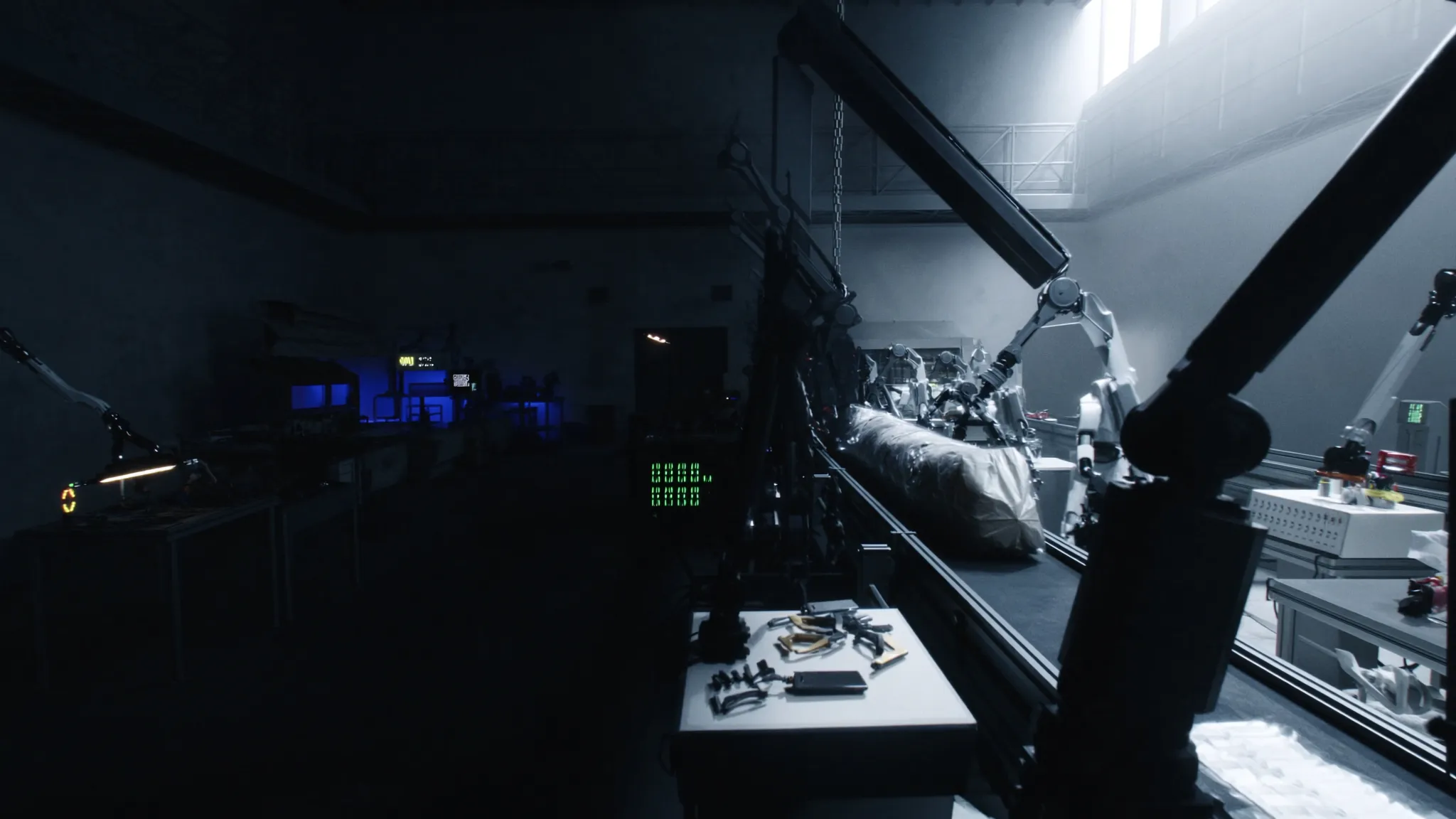
The explosive growth of the collaborative robot market is driven by groundbreaking improvements in safety and flexibility. Unlike traditional industrial robots, which could only operate in isolated environments with safety fences, collaborative robots can share workspaces directly with humans thanks to integrated torque sensors and vision systems. For instance, the UR20 model developed by Universal Robots in Copenhagen, Denmark, has reduced collision detection time to less than 0.1 seconds, greatly enhancing worker safety. Additionally, the complexity of programming has decreased by 90% compared to traditional industrial robots, allowing on-site workers to operate them without the need for robot specialists.
In terms of market share, Universal Robots maintains a dominant position with 42% of the overall collaborative robot market. As of the third quarter of 2025, the company surpassed 75,000 cumulative sales, marking a 28% increase compared to the same period last year. ABB, based in Zurich, Switzerland, ranks second with an 18% market share through its GoFa and SWIFTI series, particularly strong in the automotive parts assembly sector. FANUC, located in Yamanashi Prefecture, Japan, holds a 12% share with its CR series, while KUKA in Augsburg, Germany, records an 8% share with its LBR iiwa series.
In the domestic collaborative robot market, Doosan Robotics is emerging as the most notable company. As of November 2025, the company’s cumulative sales of collaborative robots exceeded 12,000 units, capturing a 35% market share domestically. Notably, Doosan Robotics’ M series supports a 20kg payload while achieving a repeatability of ±0.1mm, earning high praise in automotive parts assembly lines that require heavy-duty handling. Hyundai Robotics is also maintaining its growth trajectory with an 18% domestic market share through its Hi5 series, particularly excelling in the electronics assembly sector.
Facilitating Automation for SMEs and Market Expansion
The most innovative change brought by collaborative robots is the democratization of automation technology, extending its benefits to small and medium-sized enterprises (SMEs). While the average adoption cost of traditional industrial robots, including system integration, ranged from $150,000 to $300,000, the average adoption cost for collaborative robots has significantly decreased to between $30,000 and $80,000. This cost reduction has shortened the return on investment (ROI) period from 3-5 years to 1-2 years, enabling SMEs with limited capital to actively consider automation investments.
Market data shows that in 2025, 67% of companies adopting collaborative robots were SMEs, a significant increase from 45% in 2022. In Korea, the adoption of collaborative robots by small manufacturing enterprises is accelerating in conjunction with the government’s smart factory distribution projects. According to the Korea Robotics Industry Association, the number of collaborative robot adoptions by domestic small manufacturing enterprises in the first half of 2025 was 2,850, a 41% increase compared to the same period last year. The largest share was in the machining of mechanical parts (32%) and electronic component assembly (28%), followed by plastic molding (18%) and food packaging (12%).
Looking at specific SME adoption cases, Techno Parts Co., Ltd., an automotive parts manufacturer based in Gyeonggi Province, adopted three M0609 models from Doosan Robotics in 2024 to automate the bolt assembly process. The introduction of collaborative robots increased the processing of parts from 500 to 1,200 per day, while the defect rate decreased from 2.3% to 0.8%. The company reported that the investment of 180 million won resulted in monthly labor cost savings of 32 million won, allowing them to recoup the investment in about six months. As such success stories spread within the industry, SMEs’ interest in collaborative robots is growing.
The trend of SME automation is also evident in the global market. According to a 2025 report by Germany’s Fraunhofer Institute, 47% of manufacturing companies in Germany with 50-250 employees plan to adopt collaborative robots within the next two years. In the United States, the adoption of collaborative robots by small and medium-sized manufacturers in the Midwest is surging in line with the manufacturing renaissance policy, with SME collaborative robot sales in the first to third quarters of 2025 increasing by 52% compared to the same period last year.
Technological Innovation and AI Integration
Another major trend in the 2025 collaborative robot market is the full-scale integration of artificial intelligence and machine learning technologies. Unlike previous collaborative robots that could only perform pre-programmed tasks, the latest models possess real-time learning capabilities, allowing them to respond proactively to changes in the work environment. Universal Robots’ latest UR30 model is equipped with NVIDIA’s Jetson AGX Orin platform, providing AI computing performance of 275 TOPS per second, enabling real-time object recognition and path optimization.
The greatest benefit of AI integration is enhanced adaptability. The vision system in ABB’s GoFa series can recognize the position and orientation of parts with 0.1mm precision through deep learning algorithms, maintaining a recognition accuracy of 99.7% even under varying lighting conditions or part deformations. This level significantly exceeds the 94-96% recognition accuracy of existing vision systems. Additionally, by learning work patterns through machine learning, the system automatically optimizes work speed, achieving a 15-20% productivity improvement on average three months after initial deployment.
Domestic companies are also actively integrating AI technology. In September 2025, Doosan Robotics unveiled its proprietary AI vision solution, ‘Dart-Suite Vision,’ based on an object recognition model trained with a dataset of over 10,000 industrial parts. This solution can recognize complex-shaped parts within 0.05 seconds, demonstrating high performance, especially in the automotive and electronics sectors. Hyundai Robotics also announced plans to launch a next-generation collaborative robot equipped with an AI chipset developed in collaboration with Samsung Electronics in the first half of 2026.
Cloud connectivity is also a significant advancement direction for collaborative robots. FANUC’s CR series is integrated with its FIELD system, enabling real-time remote monitoring and predictive maintenance. This integration can reduce unexpected downtime by an average of 35% and cut maintenance costs by 20-25% annually, according to the company. KUKA’s iiQKA platform offers a solution for integrated management of multiple collaborative robots, optimizing task distribution and collaboration among robots in large-scale manufacturing lines.
Advancements in sensor technology have significantly contributed to the performance enhancement of collaborative robots. The latest collaborative robots utilize not only torque sensors on each joint but also accelerometers, gyroscopes, and proximity sensors to comprehensively perceive the work environment in 360 degrees. Through this multi-sensor fusion technology, they have reached a level where they can predict human workers’ intentions and proactively collaborate. In fact, the KUKA LBR iiwa being tested at BMW’s Munich plant has implemented a function to recognize workers’ hand movements and prepare necessary parts in advance, reportedly improving assembly work efficiency by 22%.
In summary, the collaborative robot industry is entering a stage of technological maturity and widespread adoption as of 2025. The combined effects of price competitiveness, AI technology integration, and improved user-friendliness are accelerating automation innovation across the manufacturing sector. As the SME market continues to expand and new applications are developed, collaborative robots are expected to become a key driver of digital transformation across the industrial ecosystem, beyond being mere manufacturing tools. However, challenges such as concerns over workforce replacement and cybersecurity risks still exist, necessitating systematic response strategies.
From an investment perspective, the valuation of companies related to collaborative robots is still considered to have room for growth. With market growth rates exceeding 20% and new growth drivers secured in the SME market, the long-term growth potential of leading companies with technological competitiveness and global distribution networks remains high.
This analysis is provided for informational purposes and is not intended as investment advice or stock recommendations. Please consult with experts and conduct thorough reviews before making investment decisions.
